NEWS
Hands-on training at the Research Campus: Experience interventional radiology in a practical setting
A practice-oriented course organised by partner LIAM took place at the Research Campus STIMULATE on 17–18 April 2026, during which participants were able to gain in-depth knowledge of modern techniques in interventional radiology. The event was supported by several partners of the Research Campus, who contributed their specialist expertise, as well as by the German Society for Interventional Radiology and minimally invasive Therapy and the Forum for Young Radiologists.
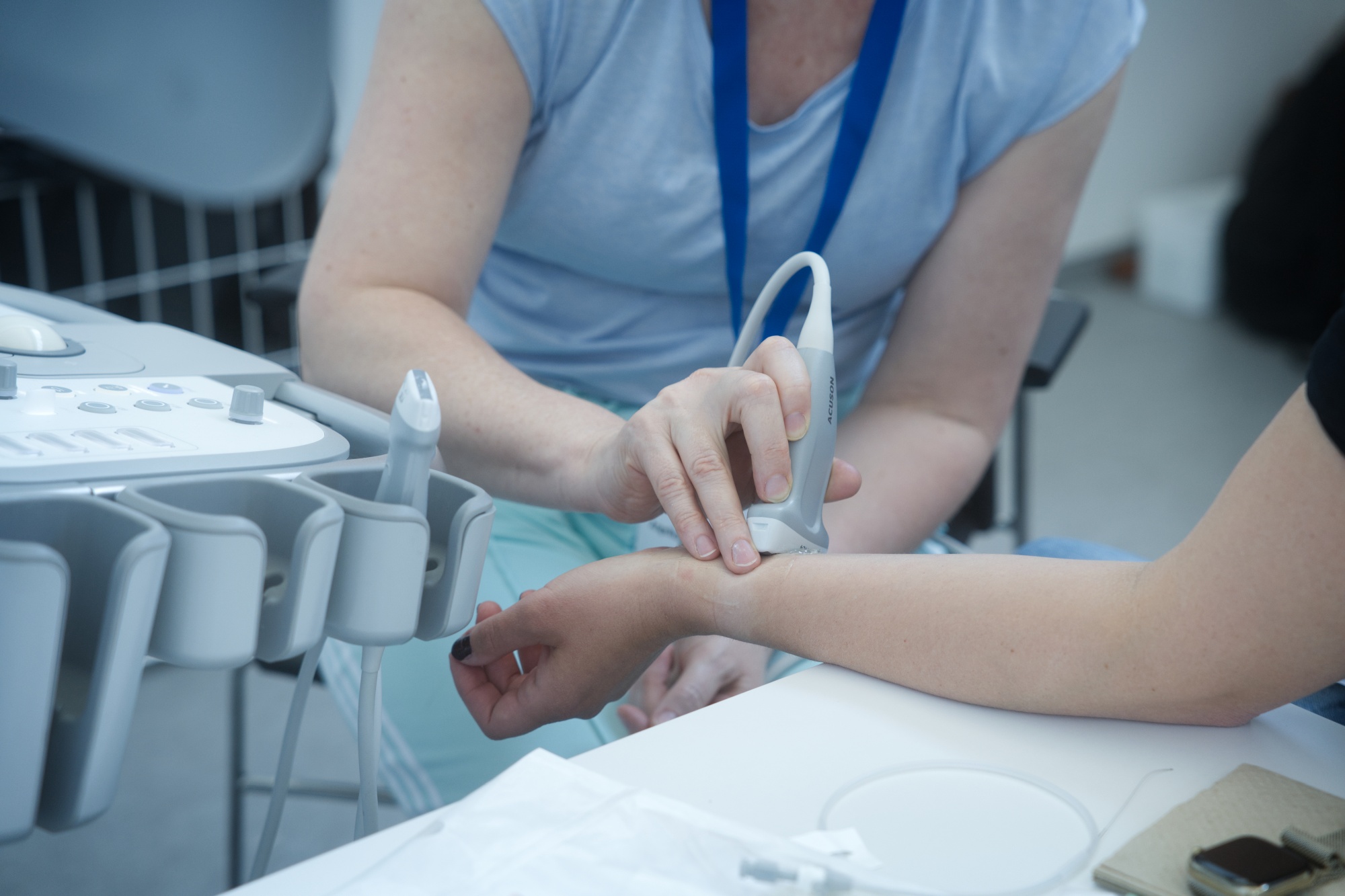
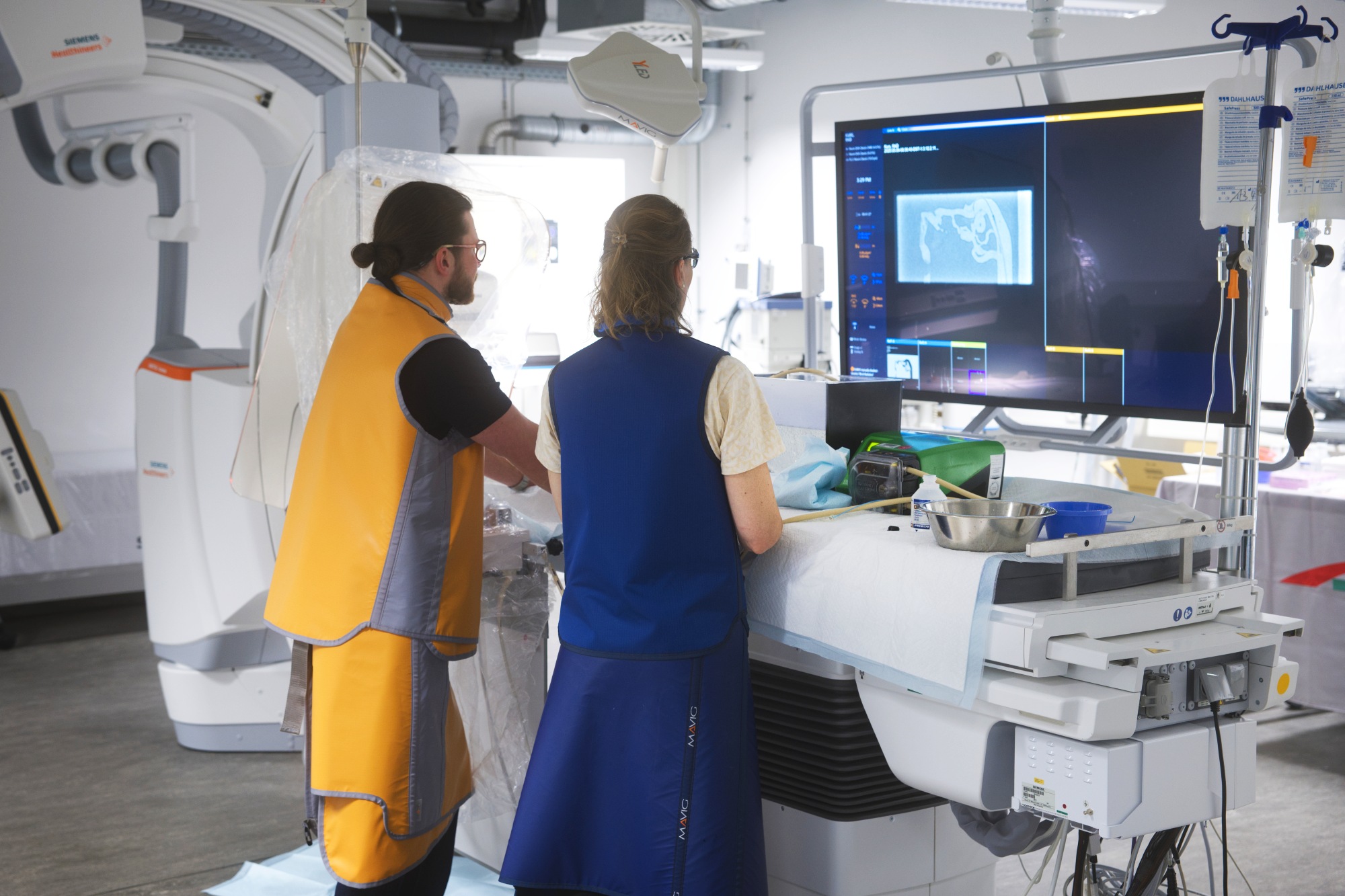
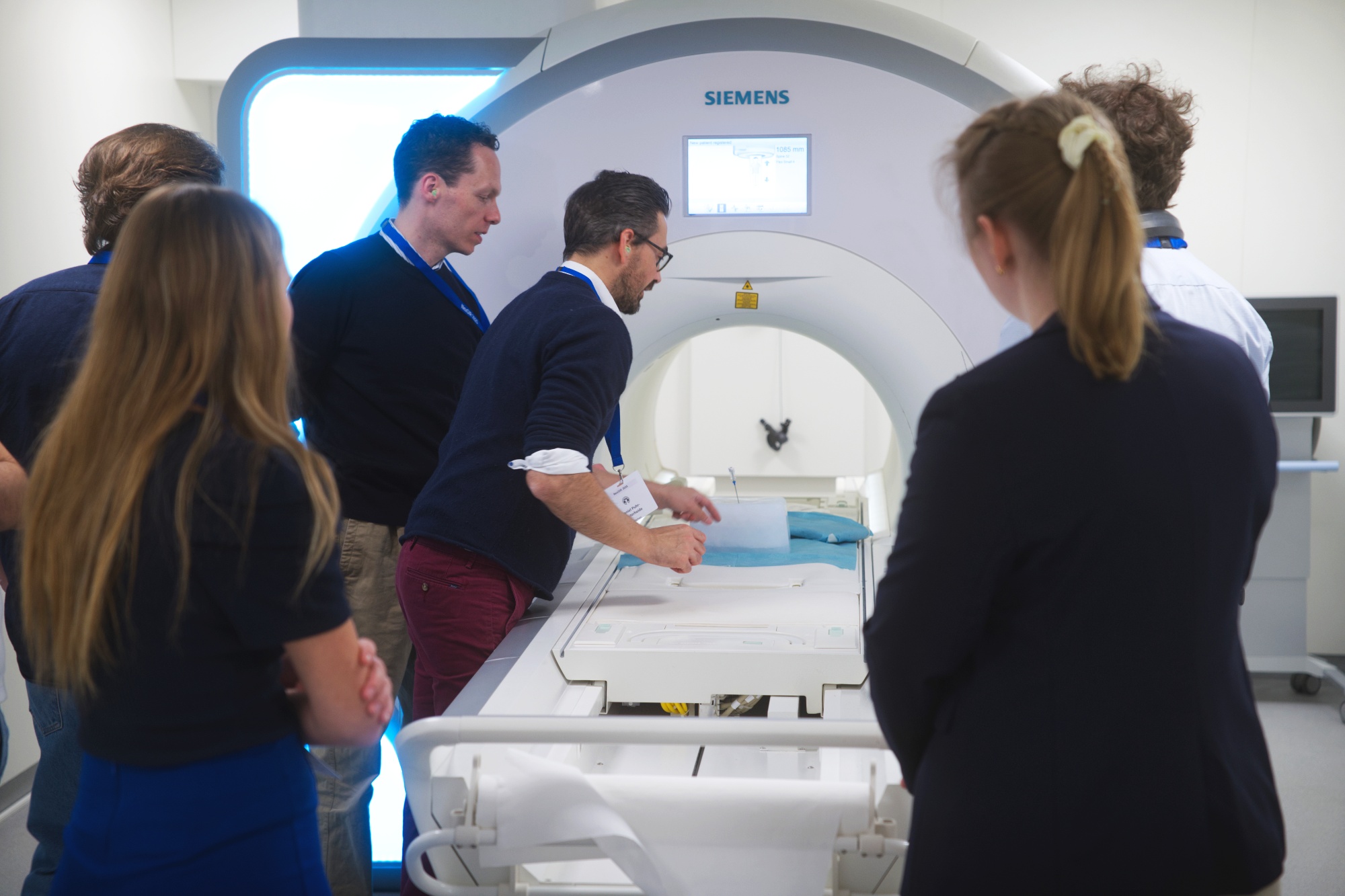
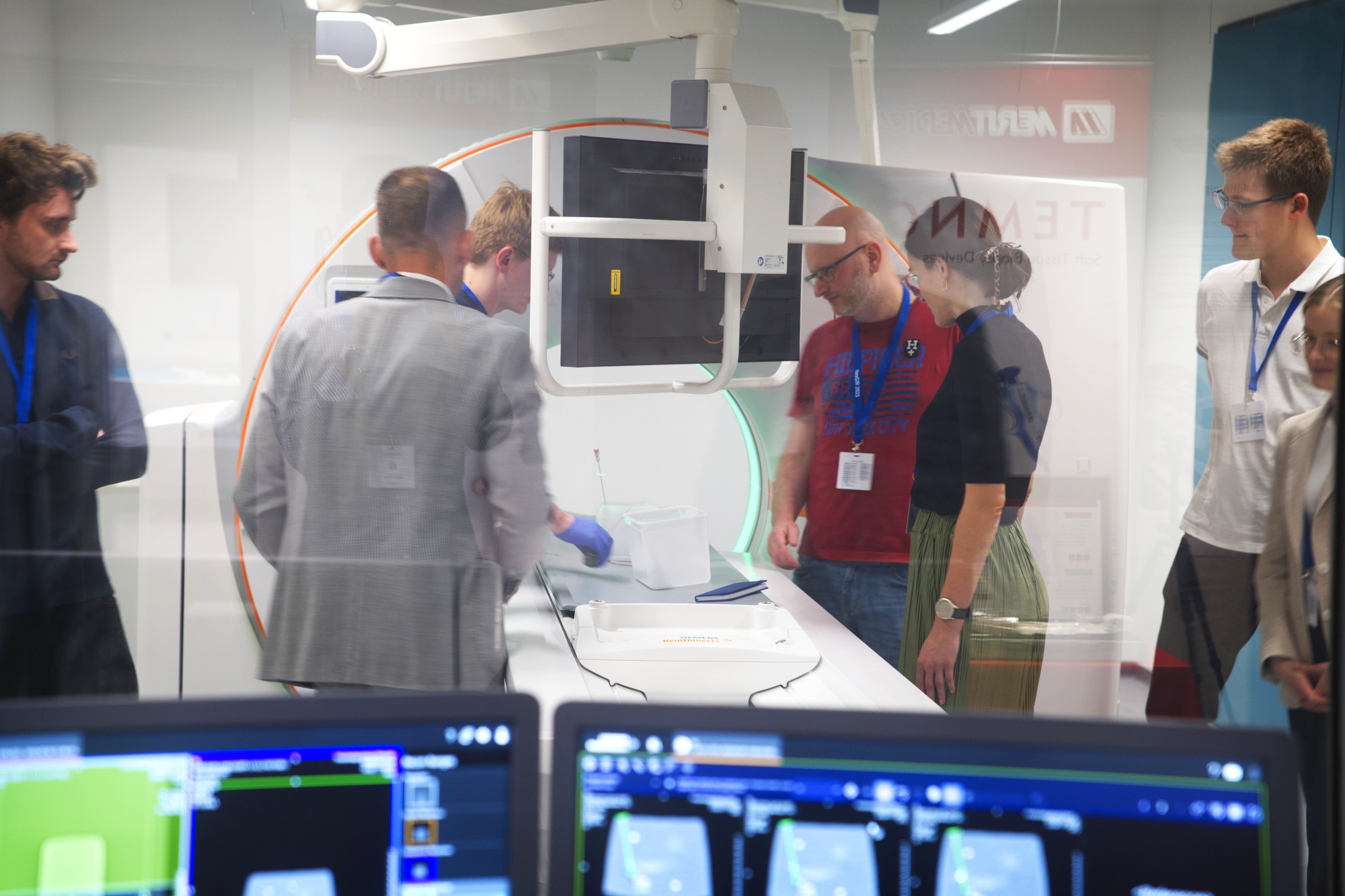
The focus was particularly on image-guided minimally invasive procedures, including CT- and MRI-guided interventions, ultrasound-based procedures and angiographic techniques. The programme was complemented by navigation-guided procedures and simulations that replicate realistic clinical scenarios.
The combination of preparatory theoretical content and practical exercises using modern simulators and large-scale equipment enabled a particularly practical learning experience. The aim of the course was to teach clinically relevant skills and to encourage dialogue between junior medical staff and experienced experts.
The programme at the Research Campus STIMULATE highlights the close integration of research, clinical practice and education, and demonstrates how innovative teaching methods contribute to training the next generation of medical technology and radiology experts.
Hands-on Training am Forschungscampus: Interventionsradiologie praxisnah erleben
Am Forschungscampus STIMULATE fand vom 17.-18.04.2026 eine praxisorientierte Lehrveranstaltung des Partners LIAM statt, bei der Teilnehmende moderne Verfahren der interventionellen Radiologie intensiv kennenlernen konnten. Unterstützt wurde das Format durch mehrere Partner des Forschungscampus, die ihre fachliche Expertise einbrachten und durch die Deutsche Gesellschaft für Interventionelle Radiologie und minimal-invasive Therapie sowie dem Forum für junge Radiologie.
Im Fokus standen insbesondere bildgestützte minimal-invasive Eingriffe, darunter CT- und MRT-gestützte Interventionen, ultraschallbasierte Verfahren sowie angiographische Techniken. Ergänzt wurde das Programm durch navigationsgestützte Verfahren und Simulationen, die realitätsnahe klinische Szenarien abbilden.
Die Kombination aus vorbereitenden theoretischen Inhalten und praktischen Übungen an modernen Simulatoren und Großgeräten ermöglichte ein besonders anwendungsnahes Lernen. Ziel der Veranstaltung war es, klinisch relevante Fähigkeiten zu vermitteln und den Austausch zwischen dem medizinischen Nachwuchs und erfahrenen Expert:innen zu fördern.
Die Durchführung am Forschungscampus STIMULATE unterstreicht die enge Verzahnung von Forschung, Klinik und Ausbildung und zeigt, wie innovative Lehrformate zur Qualifizierung der nächsten Generation von Medizintechnik- und Radiologie-Expert:innen beitragen.